


Sustainability is the set of actions that seeks to meet the needs of the present without compromising the ability of future generations to meet their own needs. It is based on the following three pillars: economic, social, and environmental. Thinking about sustainability means taking a leading role in a culturally diverse world.
The Hibiscus Beach Club, located on the North Coast of Alagoas, one of the most visited tourist destinations in the Northeast, full of natural beauty, takes this concept seriously, aiming to coexist with the exuberant beauty of the second largest coral reef in the world. The club has dedicated its actions to environmental preservation on various levels.
Being socially responsible has long been a concern for Vanderlei Turatti, who has been at the helm of the business for over 10 years. This commitment was established during his childhood in the small town of Revaldo, Rio Grande do Sul, his birthplace.
The businessman jokes as he recalls a time when having a good quality of life was as common as earning a living. He and his family lived in the countryside, and the region didn't have garbage collection, so everything was reused. "The only things we didn't produce were salt and clothes. It was possible to live wonderfully well with little money," he remembers.
Envisioning sustainable entrepreneurship, he vowed to dedicate his life to building a unique business model. And it worked.

Think, eat, preserve: no waste.
We believe that almost everything can be recycled or reused. That's why Hibiscus Beach Club adopts a "zero waste" policy. Our sustainable practices can be compared to those of first-world countries, such as Norway.
Here, approximately 90% of all organic matter is reused as compost. The compost goes directly to our garden, located inside the house, full of a variety of vegetables and greens. The fresh vegetables, without the addition of chemical additives, are used in the preparation of our dishes, making our cooking even more flavorful, healthy, and special.
Sustainable practices also extend to the restaurant's waiters, who no longer use paper order slips for food and drinks. Everything is digital. Customers and employees are also encouraged to avoid using disposable items such as straws, cups, and plastic bags.


Conscious consumption
A few years after taking over the management of his first company (learn more about Mar e Cia by clicking here ), in the late 1990s, Vanderlei was twice awarded the Green Award in Alagoas, created by the Institute of the Environment (IMA) to honor people who stand out in environmental preservation activities.
In 2000, he founded the Marine Life Institute, a non-profit organization focused on preserving the marine ecosystem. Its recognition has already transcended state borders. The entrepreneur has been invited to speak about sustainability in other states across the country and already aims to expand the project to the rest of the world.

Water, if you know how to use it, will never run out!
All the water consumed at Hibiscus Beach Club is 100% returnable and goes back to the water table after passing through a treatment system that serves to irrigate the garden and the beautiful coconut groves of one of the most visited destinations on the northern coast of Alagoas.
And speaking of coconut, it's not just the water of this delicious, functional fruit that's used. After consumption, it becomes a decorative piece, turning our vertical garden into a literally Instagrammable place.
The beach club's restrooms have electric hand dryers that eliminate the need for paper towels; and the liquid soap dispensers in the restrooms are equipped with sensors, helping to prevent waste and encouraging conscious consumption.
Sustainability is not just talk, it's action!
Sustainability has gone from being a cool trend to a necessity.
The structure of the Hibiscus Beach Club is entirely made of reclaimed wood, and this also extends to the furniture: umbrella stands, chairs, tables, and even stilt floors, which prevent soil erosion.
And we don't stop there: our photovoltaic panels generate 80% of the energy we use. That's Hibiscus doing its part for a greener world.

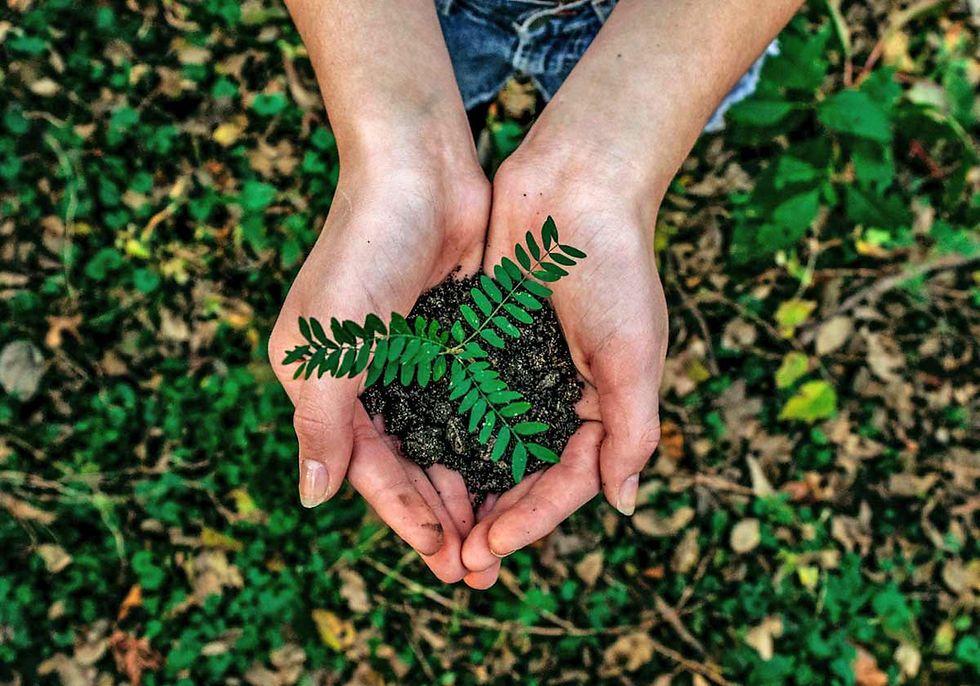
Cooperative and sustainability committee
Hibiscus donates all recyclable material from the house to cooperatives in the region: plastic, iron, cardboard, and glass from beverage bottles are reused and help strengthen the work of those who dedicate their lives and livelihood to recycling.
Recycling is a way to reduce the amount of waste deposited in the environment. We believe that we can all work to raise awareness in society about the benefits of this activity.
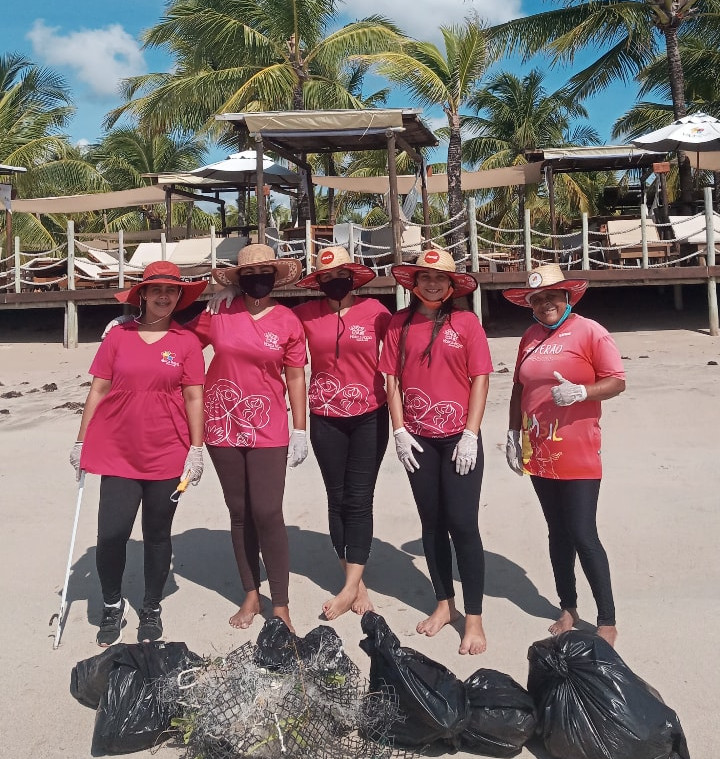
Within the organizational context, the Nature Team Sustainability Committee, which includes company employees, takes a leading role through actions aimed at cleaning the beaches.
We understand the importance of the nature around us and, therefore, we strive to take care of it in the best way possible.
Kcos Project
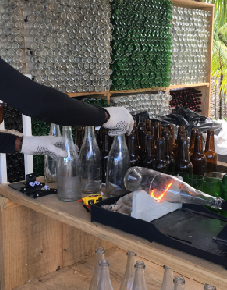
The project arose from the need to give even more meaning and life to the reuse of everything that is produced and/or consumed at the beach club. The word "kcos" derives from "cacos," which, in popular language, are nothing more than fragments or pieces of something.
The brand was conceived based on the importance of properly disposing of glass bottles from our bar. With great talent and creativity, Hibiscus creates space for the production of decorative pieces and utensils such as glasses and goblets. Glass bottles from sparkling wines, wines, beers, etc., are reused.
The idea was so successful that it became a registered business. With the slogan: "being honest is also being sustainable," Kcos now has its own store located inside Hibiscus itself (near the vertical garden at the entrance of the building).
The customer is invited to choose an item of interest and make the payment through self-service. The customer simply dials the desired product amount into the credit card machine and completes the payment themselves.
Clean Beach Project
Hibiscus believes that if everyone does their part in preserving and defending the environment, the world will be more sustainable. For this reason, it participates in the Clean Beach Project, developing actions to educate the population about the importance of keeping our beaches clean and disposing of trash correctly.
The activities are carried out simultaneously in several Brazilian states and it is a public action that aims to unite government agencies, NGOs, private sector companies and tourists. Nature is a common good and it is our duty to preserve it.


